The Original Hydrangea: A Look Back At The History Of This Beloved Flower
The Original Hydrangea: A Look Back at the History of This Beloved Flower
Hydrangeas are some of the most popular flowers in the world, and for good reason. They are beautiful, versatile, and easy to care for. But did you know that hydrangeas have a long and fascinating history?
In this blog post, we will take a look back at the history of hydrangeas, from their origins in China and Japan to their popularity in the West. We will also discuss the different types of hydrangeas, their symbolism, and how to care for them.
Origins of Hydrangeas
The hydrangea is native to Asia, where it has been cultivated for centuries. The first hydrangeas were found in China, and they were later introduced to Japan. In Japan, hydrangeas became associated with heartfelt emotion, gratitude for understanding, and apology.
The name "hydrangea" comes from the Greek words "hydro" (water) and "angeion" (vessel), which refers to the shape of the flower's petals. Hydrangeas are also known as "hortensias" in some parts of the world.
Types of Hydrangeas
There are over 70 species of hydrangeas, and they come in a wide variety of colors, shapes, and sizes. Some of the most popular types of hydrangeas include:
- Hortensia macrophylla: This is the most common type of hydrangea, and it is known for its large, showy flowers. H. macrophylla flowers can be blue, pink, purple, or white, and the color of the flowers can be influenced by the pH of the soil.
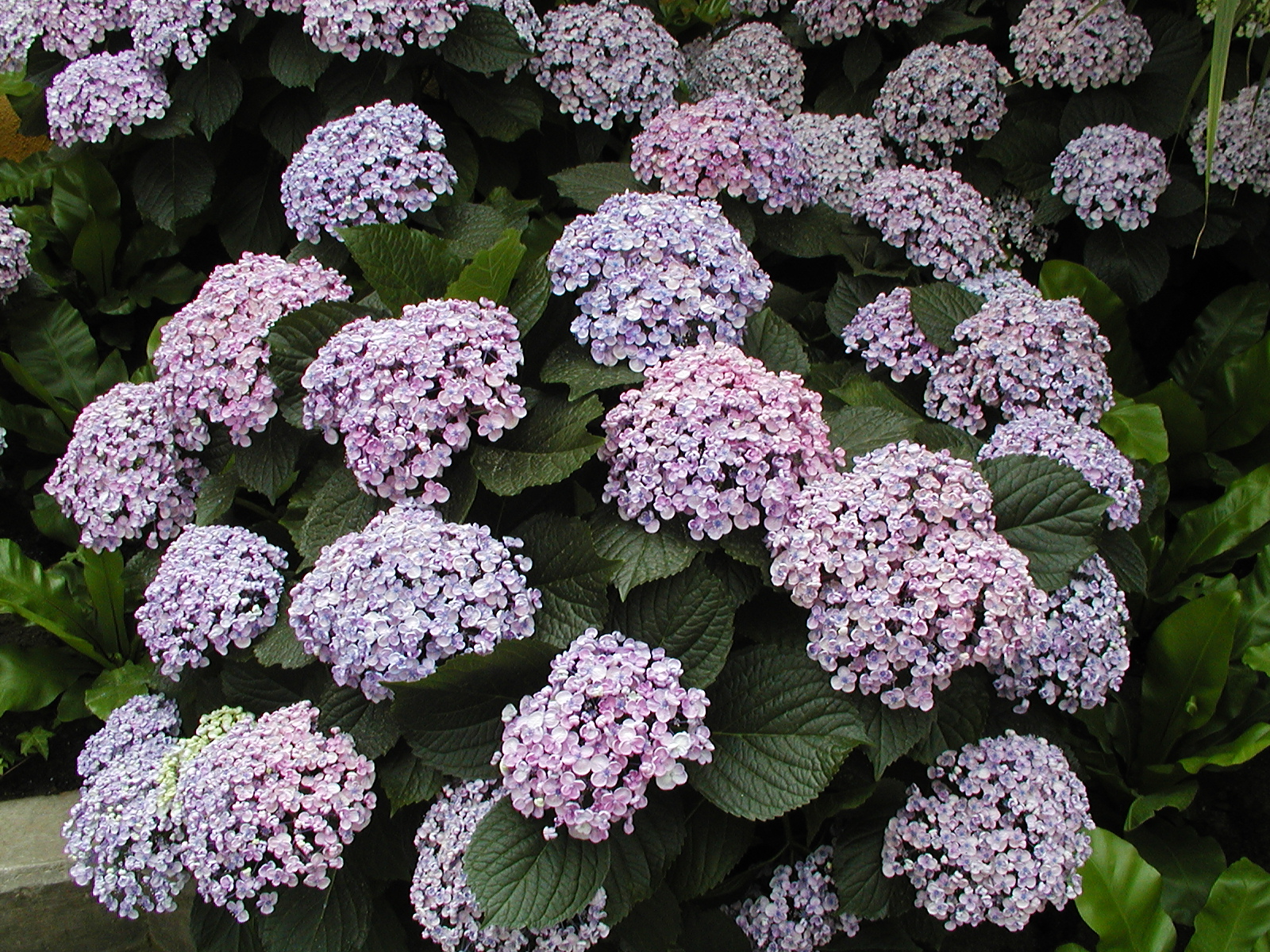
- Hortensia paniculata: This type of hydrangea has panicles (or clusters) of small, white or pink flowers. H. paniculata flowers are typically larger than those of H. macrophylla, and they bloom later in the summer.

- Hortensia arborescens: This type of hydrangea is a small shrub that is native to North America. H. arborescens flowers are white or pink, and they bloom in the spring.

Symbolism of Hydrangeas
Hydrangeas have a long history of symbolism. In China, hydrangeas are associated with longevity and good fortune. In Japan, hydrangeas are associated with heartfelt emotion, gratitude for understanding, and apology.
In the West, hydrangeas are often seen as a symbol of love, friendship, and happiness. They are also sometimes seen as a symbol of change, as the color of hydrangea flowers can change depending on the pH of the soil.
How to Care for Hydrangeas
Hydrangeas are relatively easy to care for, but they do require some special attention. Here are some tips on how to care for hydrangeas:
- Plant hydrangeas in a location that gets full sun to partial shade.
- Water hydrangeas regularly, especially during the summer months.
- Fertilize hydrangeas in the spring with a balanced fertilizer.
- Prune hydrangeas in the late winter or early spring.
With proper care, hydrangeas will thrive for many years.
Conclusion
Hydrangeas are beautiful, versatile, and easy to care for. They are a popular choice for gardens, bouquets, and centerpieces. If you are looking for a flower that is both elegant and easygoing, then a hydrangea is a great choice.
The original hydrangea is a beautiful flower that has been around for centuries. It is said to have originated in China, and it has been cultivated in Japan for over 1,000 years. The original hydrangea is characterized by its large, showy blooms that come in a variety of colors, including white, pink, blue, and purple. The color of the flowers can be affected by the soil pH level, so it is possible to change the color of your hydrangeas by adjusting the acidity of your soil.
If you are interested in learning more about the original hydrangea, I suggest you visit Garden Wiki. This website has a wealth of information about hydrangeas, including their history, symbolism, and cultivation. You can also find photos of different types of hydrangeas, as well as tips on how to care for them.
FAQ of the original hydrangea
Q: What is the original hydrangea?
A: The original hydrangea is a type of hydrangea that blooms both on the previous year's branches and the new season's growth. It is known for its beautiful blue or pink flowers, which can change color depending on the soil pH. The original hydrangea is a hardy plant that is relatively easy to care for, making it a popular choice for gardeners.
Q: What are the different colors of the original hydrangea?
A: The original hydrangea can bloom in a variety of colors, including blue, pink, and lavender. The color of the flowers is determined by the soil pH. In acidic soils, the flowers will be blue. In alkaline soils, the flowers will be pink. In neutral soils, the flowers will be lavender.
Q: How do I get my original hydrangea to bloom blue?
A: To get your original hydrangea to bloom blue, you need to amend your soil to make it more acidic. You can do this by adding peat moss, sulfur, or aluminum sulfate to the soil. You can also plant your hydrangea in a container filled with acidic potting mix.
Q: How do I care for my original hydrangea?
A: The original hydrangea is a relatively easy plant to care for. It needs full sun to partial shade and moist, well-drained soil. You should water your hydrangea regularly, especially during hot, dry weather. You should also fertilize your hydrangea once a year in the spring.
Q: What are some common problems with the original hydrangea?
A: Some common problems with the original hydrangea include:
- Leaf spot: This is a fungal disease that can cause brown spots on the leaves.
- Anthracnose: This is another fungal disease that can cause leaf spots and flower petals to fall off.
- Powdery mildew: This is a fungal disease that can cause a white powdery coating on the leaves.
To prevent these problems, you should water your hydrangea regularly and avoid over-fertilizing it. You should also deadhead the flowers regularly to remove any infected blooms.
Image of the original hydrangea
- Image 1: A large, full hydrangea bush with pink flowers. The flowers are arranged in large, rounded clusters.
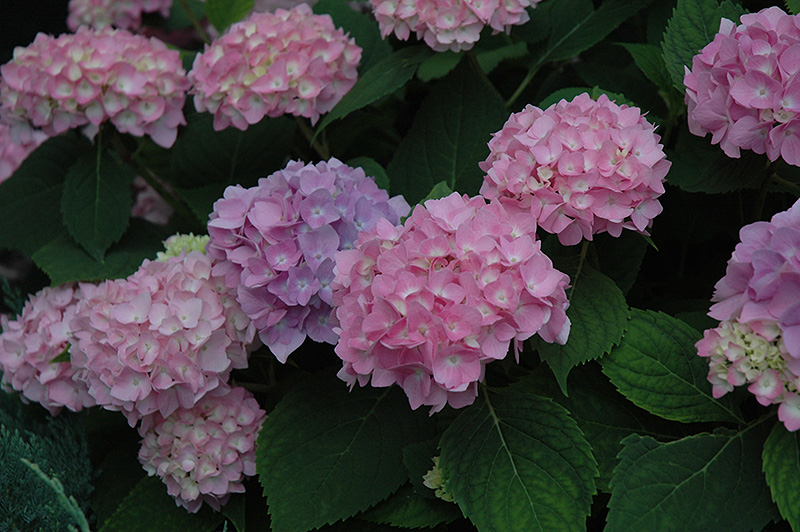
- Image 2: A close-up of a single pink hydrangea flower. The flower is a deep pink color with a white center.
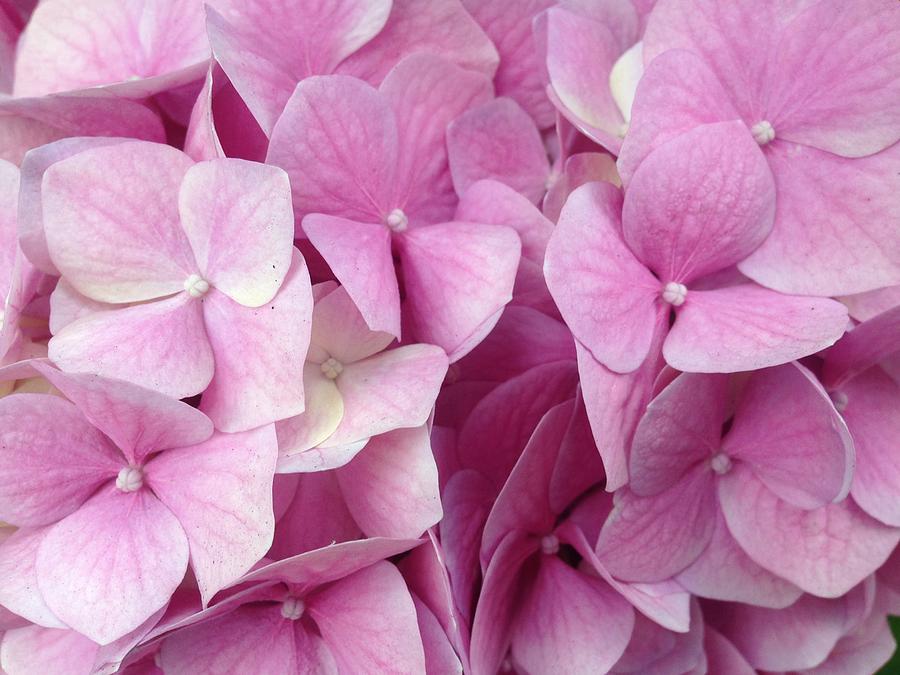
- Image 3: A hydrangea bush with blue flowers. The flowers are a light blue color and are arranged in clusters.

- Image 4: A close-up of a single blue hydrangea flower. The flower is a deep blue color with a white center.

- Image 5: A hydrangea bush with both pink and blue flowers. The flowers are arranged in clusters and the colors blend together beautifully.


Post a Comment for "The Original Hydrangea: A Look Back At The History Of This Beloved Flower"